
Author: eazycrate

  • Moving Out of NYC: A Complete Guide for 2026

    Moving Out of NYC: A Complete Guide for 2026

    NYC Moving Guide

    Moving Out of NYC: A Complete Guide for 2026

    So you’ve decided to leave New York City. You’re not alone — hundreds of thousands make this move every year. Here’s everything you need to know about the NYC side of the move before you go.

    Person standing at a NYC apartment window with packed moving boxes behind them, looking out at the city skyline — moving out of New York City
    Quick Answer

    To move out of NYC: give your landlord 30–60 days written notice, document your apartment with photos, choose your long-distance moving option (full-service, pod, or rental truck), declutter before packing, and handle NYC-specific cancellations and address transfers before you leave. EazyCrate delivers reusable bins to your door for the packing phase — no cardboard runs needed.

    Moving out of New York City is more involved than moving within it. You’re not just changing apartments — you’re unwinding an entire NYC life. This guide covers the packing, logistics, and NYC-specific steps that most moving guides miss.

    Related: NYC Moving Checklist · Average Moving Cost for a 1-Bedroom in NYC

    The Most Common Reasons People Leave NYC

    If you’ve made the decision, you probably don’t need to be talked into it. But understanding why so many people leave helps frame the planning ahead.

    Cost of Living

    Rent, groceries, and transportation in NYC are among the most expensive in the country. Many people leave for cities with significantly lower housing costs while keeping remote work.

    More Space

    NYC apartments are notoriously small. Families, in particular, often hit a point where the size-to-cost ratio stops making sense — and the same budget buys 2x the space elsewhere.

    Life Changes

    New job, starting a family, aging parents, or simply a shift in priorities. Life changes are one of the top drivers of outbound NYC moves.

    Remote Work

    Remote work normalized the idea of living outside NYC while keeping a city salary or client base. Many people have relocated without changing employers at all.

    Where people tend to go: NJ suburbs, Westchester, Philadelphia, Boston, Austin, Miami, Hudson Valley, and Upstate New York. Some go international.

    What to Do With Your Stuff

    This is the part most people underestimate. Before you move out, you need a plan for four categories of belongings.

    Category What Goes Here How to Handle It
    Keep and Move Things going with you to your new location Pack with care — these travel the farthest
    Sell Furniture, large appliances, anything expensive to ship Facebook Marketplace, Craigslist, OfferUp
    Donate Clothing, books, kitchen items in good condition Housing Works, Goodwill, local shelters
    Discard Worn, broken, or low-value items NYC trash schedule or junk removal

    Rule of thumb: If it costs more to ship something than to replace it at your destination, leave it behind.

    Long-Distance Moving Options from NYC

    There’s no single best option — the right choice depends on your budget, how much stuff you have, and how hands-on you want to be.

    Full-Service Movers

    A moving company packs, loads, drives, and delivers. The most convenient and most expensive option. For a 1-bedroom long-distance move, expect $2,000–$5,000+.

    Best for: people who want maximum convenience and have the budget for it.

    Portable Storage Containers

    Companies like PODS or 1-800-PACK-RAT deliver a container to your address. You pack it at your own pace, they drive it to your destination.

    Best for: people who want to pace their packing and avoid the full-service price tag.

    Rental Truck (DIY)

    Rent a truck from U-Haul, Penske, or Budget, load it yourself, and drive. The cheapest option but most physically intensive. Factor in tolls, gas, and driving time.

    Best for: people with help available, not too much stuff, and a manageable distance.

    Freight Shipping

    For long distances or smaller loads, freight companies can ship palletized boxes at lower cost than traditional movers. Slower, but significantly cheaper for light loads.

    Best for: people moving a small amount of stuff cross-country on a tight budget.

    Tip on Packing

    Whichever option you choose, you still need to handle packing for the NYC side. EazyCrate delivers reusable bins to your door — you pack, your movers load, and EazyCrate picks up the bins when you’re done. No cardboard runs, no disposal hassle.

    NYC-Specific Moving Out Logistics

    These are the steps that catch people off-guard. None are complicated — but missing one can cost you money or create problems after you’ve already left.

    01

    Give Proper Notice to Your Landlord

    Most NYC leases require 30–60 days written notice. Check your lease carefully. Missing this window can cost you a month’s additional rent even after you’ve moved out.

    02

    Document Your Apartment Before Leaving

    Take date-stamped photos of every room, every wall, and every appliance on move-out day. This protects your security deposit — in NYC, that’s often one to two months’ rent.

    03

    Return All Keys and Access Cards

    Fobs, mailbox keys, intercom access, laundry room cards, and package locker apps — collect everything and return it all on move-out day. Make a list the week before.

    04

    Cancel Building-Specific Services

    Gym membership, storage locker, parking space, bike storage — these often bill automatically and can be hard to cancel once you’re no longer in the building.

    05

    Forward Your Mail

    Set up USPS mail forwarding at usps.com at least 2 weeks before moving out. First-class mail forwards for 12 months — but update your address directly with banks, insurance, and any important subscriptions.

    06

    Update Your Address Everywhere

    Bank, credit cards, insurance, voter registration, DMV, IRS, Amazon, subscriptions. NY requires updating your driver’s license within 30 days of establishing new state residency.

    Need bins for your last NYC move?

    EazyCrate delivers reusable moving bins to your NYC apartment — picked up after your movers are done.

    Reserve Your Bins Now

    How to Pack for an Out-of-NYC Move

    For long-distance moves, packing quality matters more than for a local move — items are in transit longer and handled by more people. A few rules that make a meaningful difference:

    Pack Room by Room

    Label every box on two sides with the room and a brief contents list. Your movers will thank you, and unpacking becomes dramatically easier at the other end.

    Double-Box Fragiles

    Place fragile items in a smaller box with bubble wrap, then put that inside a larger box. Long-distance moves involve more handling than a local move across town.

    Use Wardrobe Boxes

    For hanging clothes, wardrobe boxes let you transfer directly from your closet rod — no folding, no wrinkles, and you can unpack in minutes at your destination.

    Photograph Electronics First

    Before disconnecting any setup, photograph all cable connections. You’ll be glad you did when setting up your TV, monitor, and gaming setup in your new place.

    ✓

    The EazyCrate Approach for the NYC Side

    EazyCrate delivers reusable bins to your door. You pack everything into the bins, your long-distance movers load them onto the truck, and EazyCrate picks up the empty bins when you’re done — before you leave. No sourcing cardboard, no breakdown, no recycling run. See how it works →

    NYC Goodbye Checklist

    Everything you need to do before you hand over your keys for the last time.

    Give landlord written notice (check your lease — 30 to 60 days is typical)
    Book your long-distance movers, pod service, or rental truck
    Sell, donate, or discard what you’re not moving
    Book EazyCrate moving bins for the packing phase
    Cancel or transfer utilities (electricity, gas, internet)
    Set up USPS mail forwarding at usps.com (do this 2+ weeks early)
    Update your address: bank, credit cards, insurance, voter registration, DMV, IRS
    Cancel building-specific services: gym, parking, storage locker, bike storage
    Return all keys, fobs, and access cards
    Final walkthrough — photograph every room with date-stamped photos
    Schedule EazyCrate bin pickup after your movers are done

    Packing Up Your NYC Apartment?

    EazyCrate delivers sturdy reusable bins to your NYC door — picked up after your movers are done. No cardboard runs, no recycling hassle.
    Frequently Asked Questions

    How much notice do I need to give my NYC landlord before moving out? +
    Most NYC leases require 30–60 days written notice. Check your specific lease and send notice via certified mail or email with a read receipt. If you’re on a month-to-month lease, 30 days is standard. Breaking a lease early has different rules — NY has tenant protections that may allow early termination without penalty in certain situations.
    How do I get my security deposit back when leaving NYC? +
    Document everything before you leave — take date-stamped photos of every room, wall, and appliance on move-out day. Return all keys promptly. Under NY law, landlords must return deposits within 14 days of move-out and provide an itemized list of any deductions. Failure to do so may mean forfeiting the right to make deductions at all.
    What is the cheapest way to move out of NYC? +
    Renting a truck yourself (U-Haul, Penske, Budget) is the cheapest option if you can do the physical work. Portable containers (PODS) are a mid-range alternative. Full-service movers are the most expensive. Decluttering before you pack — selling furniture instead of shipping it — is the single biggest way to reduce cost regardless of which method you choose.
    Do I need to update my driver’s license when I leave NYC? +
    Yes. Once you establish residency in your new state, you’re typically required to update your driver’s license within 30–90 days, depending on the state. You’ll surrender your NY license at that time. Some states also require a new vehicle registration. Check your new state’s DMV rules early — requirements vary significantly.
    How should I handle NYC taxes when I move out? +
    If you leave NYC mid-year, you’ll need to file a part-year NY state and NYC resident tax return. NYC has a city income tax, so your move-out date matters. Keep records of when you physically left. If you’re changing states for remote work, consult a tax professional — multi-state situations can be complex, especially for people keeping NYC-based income.
    Can I use EazyCrate bins for a long-distance move out of NYC? +
    Yes. EazyCrate is ideal for the NYC packing phase of a long-distance move. You pack your belongings into EazyCrate bins, your long-distance movers load the truck, and EazyCrate picks up the empty bins after you’re done — before you leave the city. You get reusable bin convenience without any logistics on the destination end. Book bins for your move →
    What should I sell before moving out of NYC? +
    Anything large and heavy that’s cheaper to replace than to ship — couches, bed frames, large shelves, TVs over 55″, and NYC-specific items like window AC units. NYC has a healthy secondhand market: Facebook Marketplace, Craigslist, and OfferUp all move furniture fast. Post listings at least 3–4 weeks before your move date to give yourself time to negotiate and schedule pickups.
    How do I cancel NYC services when I move? +
    Work through this list: Con Edison (electricity), National Grid (gas), your internet provider (Spectrum, Verizon Fios, RCN), parking space or garage, building gym, bike storage, and package locker subscriptions. Also cancel your Metro card auto-refill and check for any NYC government accounts (parking violation accounts, business licenses) that need to be closed or updated.

  • Average Moving Cost for a 1-Bedroom Apartment in NYC (2026 Breakdown)

    Average Moving Cost for a 1-Bedroom Apartment in NYC (2026 Breakdown)

    NYC Moving Guide

    Average Moving Cost for a 1-Bedroom Apartment in NYC (2026 Breakdown)

    Movers, boxes, tips, elevator fees, and the hidden charges no one warns you about — all broken down so you can budget your NYC move accurately.

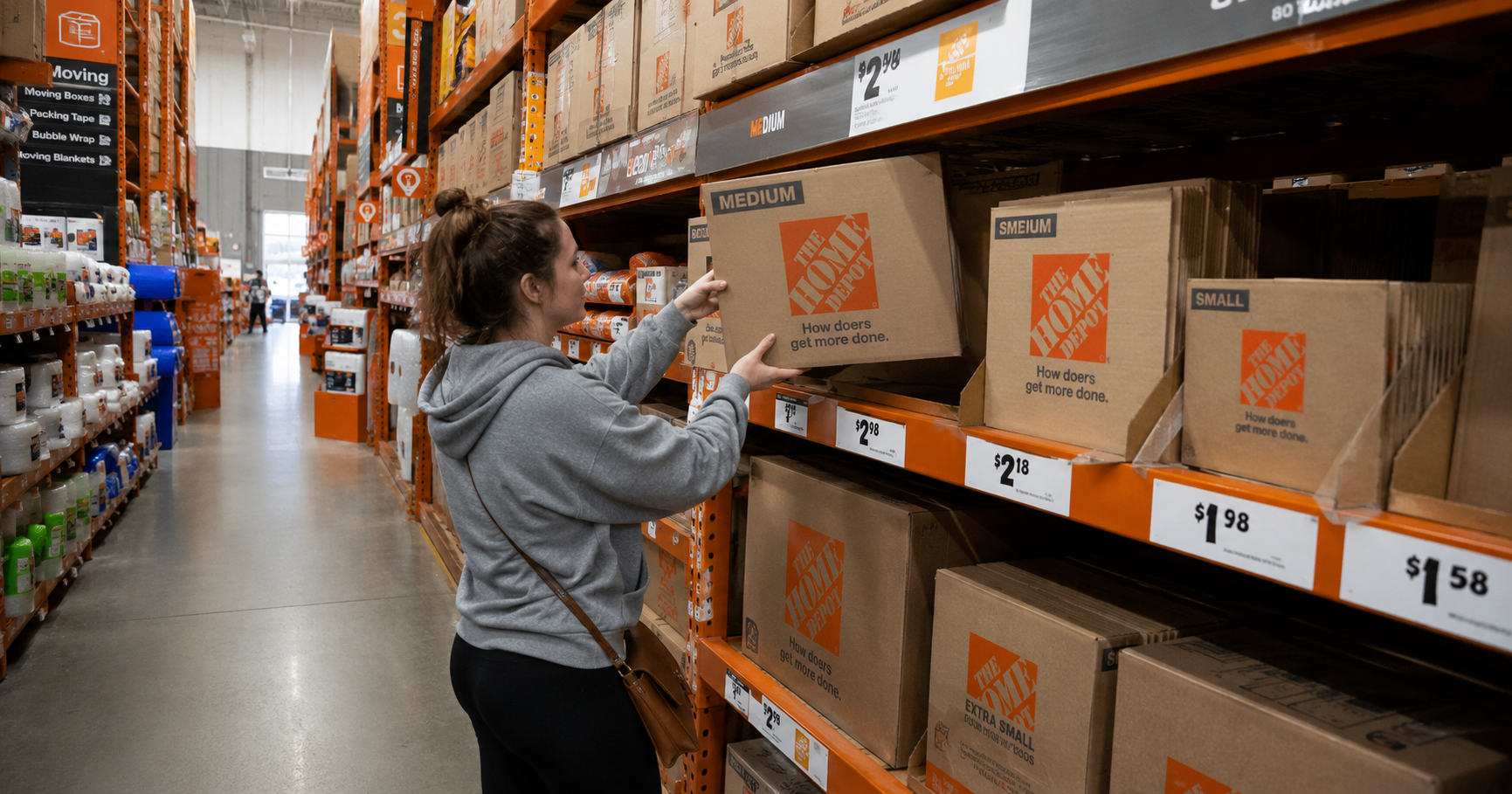
    Person calculating NYC 1-bedroom moving costs at a store while shopping for moving boxes and supplies
    Quick Answer

    Moving a 1-bedroom apartment in NYC costs between $400 and $1,500 for a local move with professional movers — plus $100–$300 in packing supplies and $100–$200 in mover tips. All-in budget: $600–$2,000 depending on distance, building type, and how much you pack yourself.

    The average NYC moving cost for a 1-bedroom is higher than almost anywhere else in the country — not because movers charge more per hour (though some do), but because NYC buildings add fees, delays, and logistics that drive up time and total cost. This breakdown covers everything: what movers charge, what hidden costs to expect, and how to spend less without cutting corners.

    What Movers Charge for a 1-Bedroom NYC Move

    Mover costs depend on whether you’re moving within the same building, across a borough, or out of NYC entirely. NYC movers typically charge by the hour for local moves, with a 2–4 hour minimum.

    Move Type Estimated Cost Typical Hours Rate Range
    Same building / same block $250 – $500 2–3 hrs $120–$160/hr (2-man crew)
    Within same borough $400 – $800 3–5 hrs $120–$180/hr (2-man crew)
    Cross-borough (e.g. Brooklyn → Manhattan) $600 – $1,200 4–7 hrs $140–$200/hr (2-man crew)
    NYC → nearby suburbs (NJ, Westchester) $800 – $1,500 5–8 hrs Flat rate or hourly + fuel
    Long distance (NYC → out of state) $1,500 – $5,000+ Varies Weight-based flat rate

    Rates above are for a 2-person crew in 2026. A 3-person crew typically adds $40–$60/hr but can cut total hours significantly in walk-up buildings.

    Full 1-Bedroom NYC Moving Cost Breakdown

    Add up all the line items and a 1-bedroom NYC move has more charges than most people expect. Here’s the complete picture:

    Cost Category Low Estimate High Estimate Notes
    Professional movers (labor) $400 $1,200 2–3 man crew, local move
    Packing supplies (cardboard) $60 $200 Boxes, tape, paper, bubble wrap
    Mover tip (15–20%) $60 $200 Expected in NYC — cash preferred
    Elevator deposit (new building) $0 $250 Many buildings require refundable deposit
    Parking/truck permits $0 $100 If you need a No Parking zone
    Stair/long carry fee $0 $150 Charged per floor or per extra distance
    Specialty items (piano, gun safe) $0 $400+ Per item surcharge
    Total estimate $520 $2,500+ 1BR, local NYC move, all-in

    Hidden NYC Moving Costs Most People Miss

    The hourly rate is only part of your bill. NYC buildings, tight streets, and booking policies add charges that can push $200–$600 onto what you expected to pay.

    Elevator Deposit

    Many co-ops, condos, and rental buildings charge a refundable move-in deposit of $150–$500. Some also charge a non-refundable move-in fee. Ask your building management before move day.

    Stair Carry Fee

    Walk-up buildings add a per-flight surcharge, typically $25–$75 per floor above ground. A 4th-floor walk-up can add $75–$300 to your mover bill.

    Long Carry Surcharge

    If the mover’s truck can’t park close to your building — common on narrow NYC streets — movers add a long carry fee of $50–$150 to compensate for extra walk time.

    Credit Card Surcharge

    Many NYC moving companies charge 3–5% on credit card payments. On a $1,000 move, that’s $30–$50 you didn’t budget for. Always ask payment policy when booking.

    Freight Elevator Time Window

    Buildings often limit freight elevator access to 2–4 hour windows. If movers run over, you may face overtime charges or need to reschedule a second trip.

    Certificate of Insurance (COI)

    Most NYC buildings require your mover to provide a COI naming the building as additional insured. Some movers charge $50–$150 to issue one. Confirm before booking.

    How Much to Tip NYC Movers

    Tipping NYC movers is expected and part of the total cost of your move. The standard is 15–20% of the total bill, split evenly among the crew. Pay in cash per person at the end of the move.

    Move Duration Total Mover Bill Tip Per Person (15%) Tip Per Person (20%)
    2–3 hour local move $300 – $500 $22 – $37 $30 – $50
    4–5 hour local move $500 – $900 $37 – $67 $50 – $90
    6–8 hour cross-borough $900 – $1,400 $67 – $105 $90 – $140

    Tip each mover separately, in cash, at the end of the move. Tip more if movers handled stairs, large furniture, or a difficult building without complaint.

    Save on Packing

    How EazyCrate Saves You Money on Packing

    Packing supplies for a 1-bedroom NYC move typically cost $60–$200 when you buy cardboard boxes, tape, bubble wrap, and packing paper — and you’re left breaking it all down when you’re done.

    EazyCrate’s reusable moving bins are delivered to your door for a flat weekly rate. They stack neatly, hold up under weight, and get picked up when you’re finished. No store runs. No cardboard to dispose of.

    Option 1BR Packing Cost Disposal
    Buy cardboard boxes $80 – $200 Your problem
    EazyCrate bin rental $119/week Free pickup included
    Infographic showing NYC moving supply costs by apartment size: studio $70, 1-bedroom $120, 2-bedroom $200, 3-bedroom $360+ — EazyCrate bin rental is a flat-rate alternative

    Ready to Book Your NYC Move?

    Lock in your EazyCrate bins now — delivered to your door, picked up when you’re done. No cardboard hassle.

    Frequently Asked Questions

    How much does it cost to move a 1-bedroom apartment in NYC? +
    The average all-in cost to move a 1-bedroom apartment in NYC ranges from $600 to $2,000. Movers typically cost $400–$1,200 for a local move, packing supplies add $60–$200, and tips add another $60–$200. Hidden fees like elevator deposits, stair charges, and COI fees can add $100–$500 more.
    What is the cheapest way to move a 1-bedroom in NYC? +
    Renting a truck and doing it yourself costs $100–$300 total. But NYC’s traffic, parking rules, and freight elevator requirements often make self-moves slower and more complex than expected. Hiring movers mid-week (Tuesday–Thursday) saves 10–20% compared to weekend rates.
    How much do movers charge per hour in NYC in 2026? +
    NYC movers typically charge $120–$200 per hour for a 2-person crew in 2026, with most local 1BR moves running 3–6 hours. A 3-person crew costs more per hour but often finishes faster, making it cost-neutral or cheaper for walk-up buildings.
    How much should I tip movers in NYC? +
    Tip 15–20% of the total mover bill, split evenly among the crew. For a $500 move with a 2-person crew, that’s $37–$50 per person. Always tip in cash and give each mover their tip individually at the end of the move.
    What hidden fees should I expect when moving in NYC? +
    Common hidden costs include elevator deposits ($150–$500), stair carry fees ($25–$75 per floor), long carry surcharges ($50–$150), credit card processing fees (3–5%), and COI issuance fees ($50–$150). Ask your mover for a full list of potential surcharges before signing anything.
    How much do moving boxes cost for a 1-bedroom NYC move? +
    A 1-bedroom apartment needs roughly 20–30 boxes. Buying new cardboard boxes costs $1.50–$6 each, plus tape, bubble wrap, and packing paper — totaling $80–$200. Renting reusable bins from EazyCrate starts at $119/week all-in and includes delivery and pickup.
    Is it cheaper to move on a weekday in NYC? +
    Yes — most NYC movers charge lower rates Tuesday through Thursday compared to weekends. You’ll also get better elevator availability and parking access on weekdays. Mid-week moves can save 10–20% on labor costs and reduce the risk of delays.
    Do I need a certificate of insurance to move in NYC? +
    Yes — most NYC co-ops, condos, and rental buildings require your moving company to provide a COI naming the building as additional insured. Request this from your mover at least 2 weeks before moving day and submit it to building management right away. Some movers charge $50–$150 for the document.

  • NYC Moving Checklist: Everything You Need to Do Before, During, and After Your Move

    NYC Moving Checklist: Everything You Need to Do Before, During, and After Your Move

    NYC Moving Guide

    NYC Moving Checklist: Everything You Need to Do Before, During, and After Your Move

    Moving in New York City comes with rules most checklists skip — freight elevators, certificates of insurance, alternate side parking. This guide covers all of it, week by week.

    Person reviewing an NYC moving checklist at a desk in a New York apartment with moving bins in the background
    Quick Answer

    The NYC moving checklist starts 8 weeks out: confirm lease dates, research movers, and check your new building’s move-in rules. Key NYC-specific steps include requesting a certificate of insurance from your movers (required by most buildings), reserving the freight elevator 2–4 weeks in advance, and planning for alternate side parking on moving day.

    Moving in New York City is different from moving anywhere else. Building rules, co-op boards, freight elevator reservations, and tight windows add layers that most moving checklists don’t cover. This one does — broken out by week so nothing slips through the cracks.

    8 Weeks Before Your Move

    The earlier you start, the more options you have — especially for movers, who book up fast in summer.

    Confirm your move-out and move-in dates with both landlords
    Check your lease for notice requirements (usually 30–60 days)
    Research moving companies — get at least 3 quotes
    Check if your new building has a co-op or condo board requiring a move-in application
    Begin decluttering — sell, donate, or discard what you don’t need to move
    Research building move-in rules for your new address (freight elevator hours, certificate of insurance requirements)
    Start collecting financial records and important documents in one place

    6 Weeks Before Your Move

    Book everything now. Waiting until the last month means losing your preferred date — especially for movers and elevator reservations.

    Book your moving company — NYC movers fill up fast in summer months
    Reserve the freight elevator at your new building (many require 2–4 weeks notice)
    Book your moving bins or order boxes (EazyCrate recommends booking 1–2 weeks in advance)
    Notify your employer of your upcoming address change
    Begin packing non-essentials: books, seasonal items, decorative items

    4 Weeks Before Your Move

    Address changes and utility transfers take longer than expected — start them now so nothing lapses on moving day.

    Request a certificate of insurance from your moving company (required by most NYC buildings)
    Notify your bank, credit cards, and financial institutions of your address change
    Notify subscriptions, deliveries, and memberships of your new address
    Schedule utility transfers: electricity, gas, internet
    File a USPS mail forwarding request at usps.com
    Notify health insurance, doctors, and any medical providers of your address change
    Continue packing — aim to have non-daily items packed by now

    2 Weeks Before Your Move

    Confirm all the moving parts so nothing surprises you on the day. This is the week to follow up on everything you booked.

    Confirm all details with your moving company: date, time, addresses, elevator reservation
    Confirm bin delivery date with EazyCrate (or confirm box delivery if ordering)
    Pack all books, art, seasonal clothing, and anything not used daily
    Disassemble furniture that needs to be broken down for the move
    Take photos of electronics setups before disconnecting cables
    Notify your gym, doorman, and any regular services of your new address
    Update your driver’s license address with the DMV (required within 30 days of moving in NY)

    1 Week Before Your Move

    You should be almost fully packed. Use this week to confirm logistics and handle anything left undone.

    Pack almost everything — leave only daily essentials unpacked
    Confirm freight elevator reservation at your new building
    Confirm parking or loading zone access for the moving truck
    Pack an “open first” bag: chargers, toiletries, medications, coffee, change of clothes
    Defrost your refrigerator if it’s moving with you
    Clean and prep your current apartment (check lease for cleaning requirements)
    Discard or donate anything you don’t want to move

    Moving Day

    Stay present, stay organized, and document everything before you hand over the keys.

    Be present (or have a representative) for the movers from start to finish
    Do a final walkthrough of your old apartment: check all closets, cabinets, and under beds
    Take date-stamped photos of your old apartment on the way out
    Hand over keys, fobs, and any access cards to your landlord
    Direct movers at the new apartment — tell them which bins go in which room
    Check all furniture and bins for damage before movers leave
    Set up your “open first” essentials before unpacking anything else

    Still need moving bins for your NYC move?

    EazyCrate delivers sturdy reusable bins to your door — no cardboard runs, no waste.

    Reserve Your Bins Now

    After Your Move

    The physical move is done — but a few important tasks still need to happen in the days and weeks that follow.

    Sign up for your new building’s package delivery or intercom system
    Test all locks, windows, and appliances in your new apartment
    Update your address with the IRS, Social Security Administration, and voter registration
    Register your vehicle at the DMV with your new address
    Schedule EazyCrate bin pickup (or break down and recycle cardboard boxes)
    Write an online review for your movers if they did a good job
    Return your old apartment keys by your agreed date
    NYC apartment building service elevator with moving blanket pads installed — the standard setup for a freight elevator reservation
    Only in NYC

    NYC-Specific Rules You Need to Know

    Generic checklists don’t cover these. Not knowing them can delay your move or cost you your deposit. Room by room, how to pack an NYC apartment walks through the order that saves the most time.

    Certificate of Insurance

    Most NYC co-ops, condos, and rental buildings require your mover to name the building as an additional insured. Request this at least 2 weeks before moving day.

    Freight Elevator Reservation

    Many buildings limit moves to a 2–4 hour window and require advance booking. Contact your new super the moment your moving date is confirmed.

    Alternate Side Parking

    Check the NYC parking calendar before your move. Plan for the alternate side schedule and arrive early to secure a loading spot for the truck.

    Walk-Up Buildings

    Schedule heaviest loads first while everyone has energy. Use proper dollies — reusable bins stack better on hand trucks than loose boxes.

    Make Packing Easier with EazyCrate Bins

    Skip the cardboard. EazyCrate delivers sturdy, reusable moving bins to your NYC door — picked up when you’re done.

    Frequently Asked Questions

    Do I need a COI to move in NYC? +
    Yes — most NYC co-ops, condos, and many rental buildings require your moving company to provide a certificate of insurance (COI) naming the building as an additional insured. Request this from your mover at least 2 weeks before moving day and submit it to building management right away.
    How far in advance should I book an NYC mover? +
    Book at least 6–8 weeks in advance, especially if you’re moving between May and September. Summer is peak moving season in NYC and reputable movers fill up quickly. If you’re moving at month’s end (when most leases turn over), add another 1–2 weeks.
    How do I reserve the freight elevator in my building? +
    Contact your building’s superintendent or property management company as soon as your moving date is confirmed. Most buildings require 2–4 weeks advance notice and limit moves to specific time windows — typically 2–4 hours. Get the confirmation in writing to share with your movers.
    What is alternate side parking and how does it affect my move? +
    NYC’s alternate side parking rules require vehicles to clear certain street sides during scheduled cleaning hours. If your moving truck parks on the wrong side, it can be ticketed or towed. Check nyc.gov/parking before your move and arrive early to secure a legal loading spot. NYC occasionally suspends alternate side for holidays.
    How much notice do I need to give my NYC landlord? +
    Most NYC leases require 30–60 days written notice before moving out. Check your specific lease and send notice via certified mail or email with a read receipt so you have documentation. If you’re breaking a lease early, review the early termination clause — NY has specific tenant protections that may apply.
    When should I forward my mail before moving? +
    File your USPS mail forwarding request at usps.com at least 2 weeks before your move — ideally 4 weeks to be safe. Mail forwarding is active for 12 months for first-class mail. Note that not all mail is forwarded (magazines, catalogs), so update your address directly with important senders.
    What should be in my open-first bag on moving day? +
    Pack everything you’ll need in the first 24 hours: phone chargers, toiletries, a change of clothes, any medications, coffee and a mug, your laptop, keys and documents, snacks, and toilet paper. Keep this bag with you — not on the truck — so it’s immediately accessible at your new apartment.
    Can I use reusable moving bins for an NYC apartment move? +
    Yes — reusable moving bins are ideal for NYC apartments. They’re sturdier than cardboard, stack cleanly on hand trucks, and don’t collapse when loaded. EazyCrate delivers bins to your NYC door and picks them up when you’re done — no trips to the store, no cardboard to recycle.

  • Will Movers Move Plastic Bins? What NYC Moving Companies Say

    Will Movers Move Plastic Bins? What NYC Moving Companies Say

    Packing Tips

    Will Movers Move Plastic Bins? What NYC Moving Companies Say

    Quick Answer: Yes — most NYC professional movers will move plastic moving bins without issue. They treat rental bins the same as cardboard boxes. The main things to know: packed-by-owner liability applies, bins should stay under 50 lbs each, and lids should be fully latched before the crew arrives.

    Rent EazyCrate Bins →

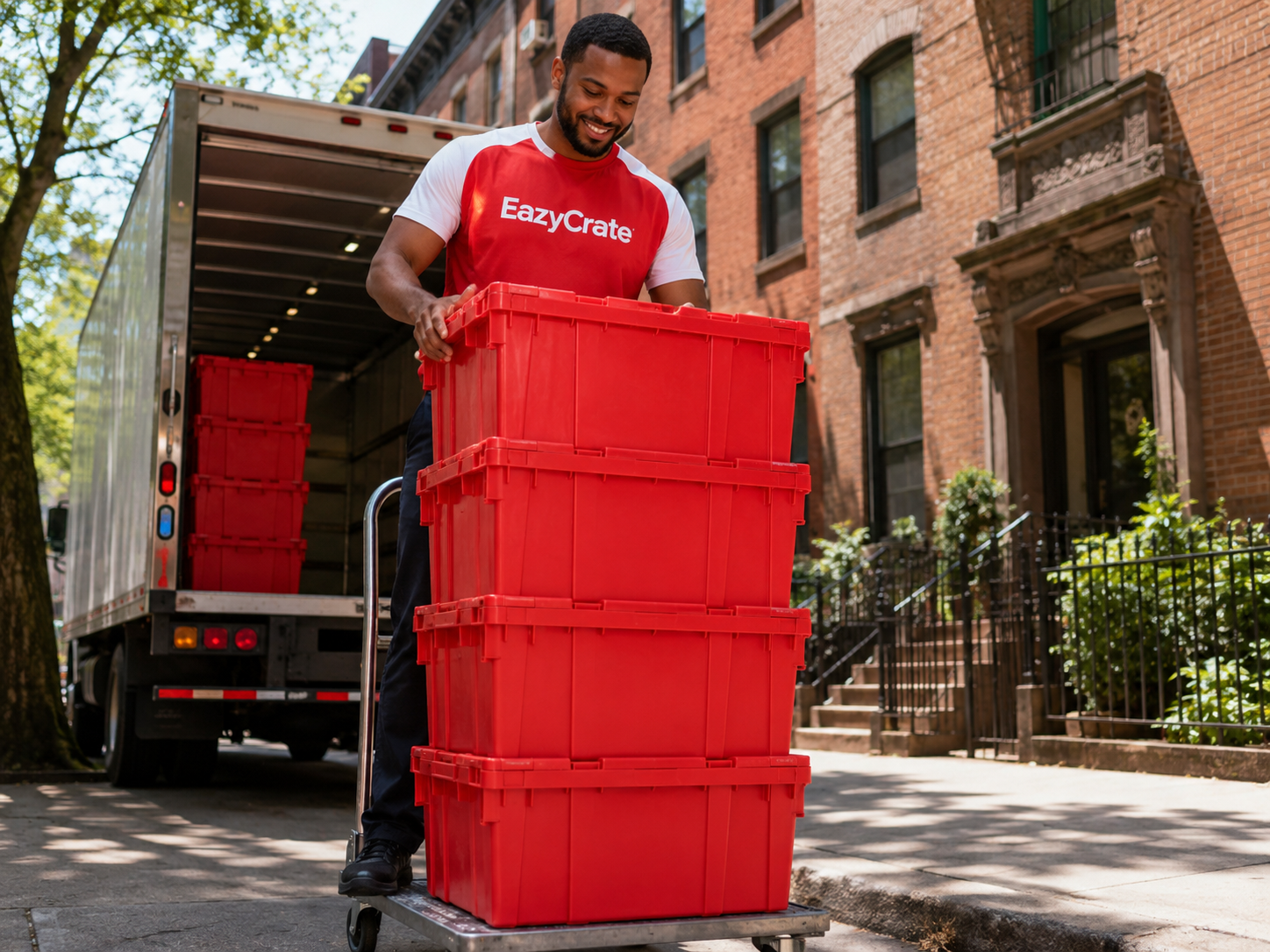
    EazyCrate delivery team unloading reusable plastic moving bins from a vehicle onto a dolly in front of a NYC apartment building
    The Short Answer

    Yes, Movers Will Move Plastic Bins — With a Few Caveats

    Professional movers in NYC move plastic bins every day. Whether you rented them from EazyCrate, bought them at a store, or borrowed them — a moving crew will load, transport, and unload them without any special instructions required.

    In fact, many experienced NYC movers prefer plastic bins. They stack predictably in the truck, don’t collapse under weight, and can be loaded in clean rows without the risk of crushed bottoms that come with heavy cardboard boxes.

    The main thing to understand is the packed-by-owner (PBO) clause, which applies to any container you pack yourself — cardboard boxes or plastic bins alike. We cover it in the next section.

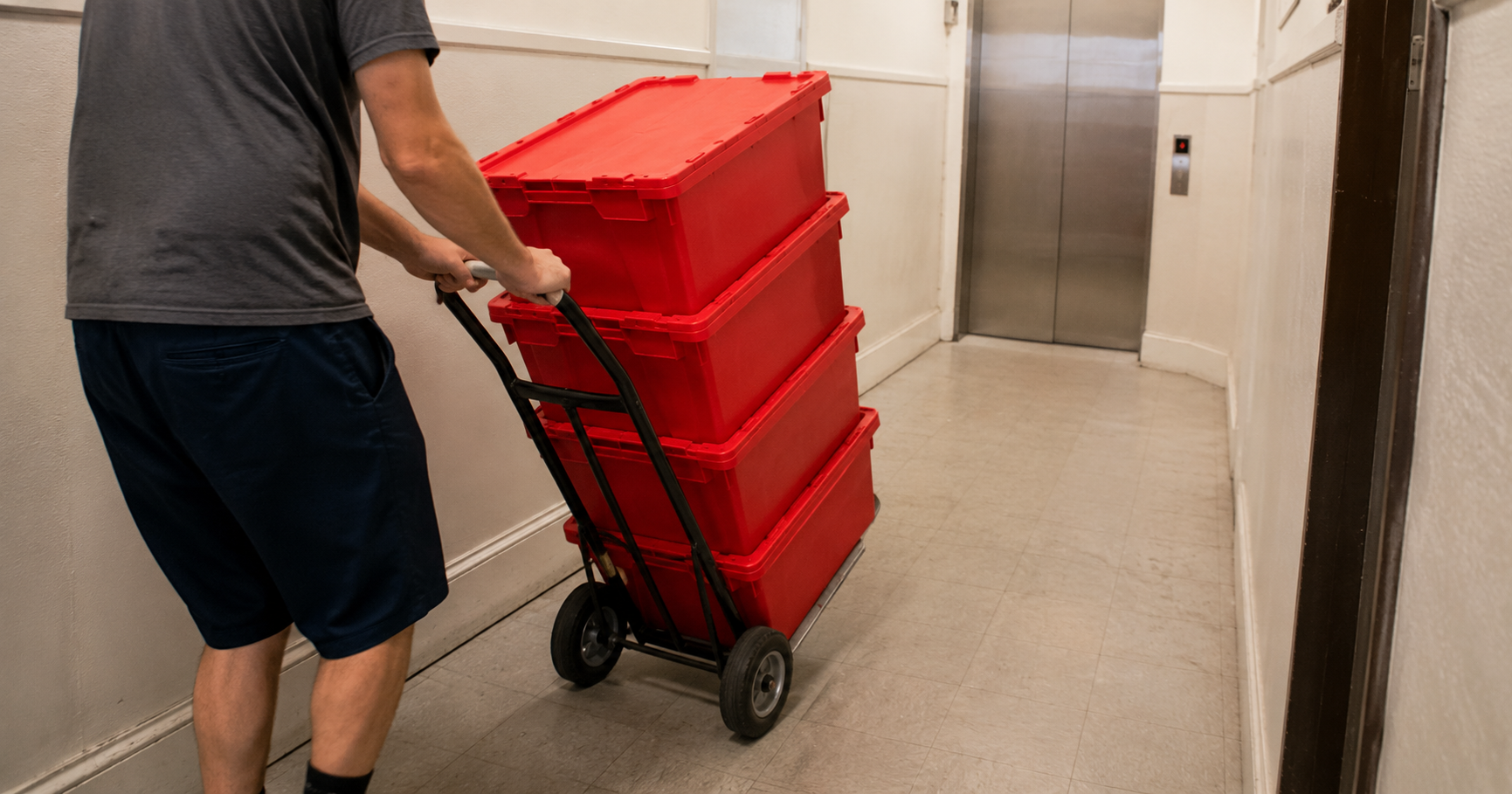
    EazyCrate reusable moving bins stacked on a dolly in a narrow NYC apartment hallway on moving day
    What to Know

    The Packed-by-Owner Rule (PBO): What It Means for Bins

    This is the most important concept to understand when using plastic bins — or any container — with professional movers.

    What PBO means: If you packed the bin yourself, the moving company takes zero liability for the contents inside. If a mover drops the bin or it shifts in the truck, they’re responsible for the bin itself — but not what’s in it. This is standard policy across virtually every NYC moving company, and it applies equally to cardboard boxes and plastic bins.

    The good news: plastic bins are actually safer under PBO conditions than cardboard. They don’t collapse, crush, or get punctured during the move — so your packed items are better protected even without the moving company taking liability for contents.

    If you want full mover liability for specific fragile items, have the movers pack those items themselves — they typically offer this as an add-on service at higher cost.

    Moving Day Prep

    4 Steps to Prep Bins So Movers Don’t Hesitate

    Most crews won’t blink at plastic bins. But following these four steps means zero friction on moving day:

    1
    Keep bins under 50 lbs

    EazyCrate bins can hold up to 65 lbs, but movers lift bins repeatedly all day. Staying under 50 lbs per bin keeps the crew moving fast and reduces any risk of damage from struggling under heavy loads.

    2
    Fully latch all lids

    Snap-close lids need to be fully latched on all corners before the crew arrives. A loose lid can pop open when the bin is tilted or stacked. Check each bin the night before your move.

    3
    Label every bin by room

    Write the destination room clearly on a label on the front and top of each bin. Movers use labels to sort bins as they unload — clear labels mean faster placement and fewer questions at the new place.

    4
    Leave the dolly accessible

    If your rental includes a dolly (EazyCrate delivers one with every package), make sure it’s accessible when the crew arrives. Movers will use it to wheel stacks of bins out — faster than carrying them one at a time.

    Color-coded red reusable moving bins organized by room label in a NYC apartment — bins labeled by destination room for moving day
    If They Push Back

    What to Say If Your Movers Question the Bins

    It’s rare, but occasionally a mover might ask about the bins — usually because they’re unfamiliar with rental crates or want to confirm everything is sealed. A simple explanation resolves it:

    • “These are rented plastic moving bins — same as cardboard boxes, just reusable.”
    • “All lids are fully latched. They stack uniformly and won’t collapse.”
    • “Packed-by-owner applies, same as our cardboard boxes.”

    In our experience, moving crews actually react well to bins — often noting that the uniform shape and rigid structure makes loading the truck faster and cleaner than a mix of mismatched cardboard boxes.

    Plastic Bins vs. Cardboard Boxes: How NYC Movers Compare Them

    Here’s how plastic moving bins and cardboard boxes stack up on the factors that matter most during a professional move:

    Factor Cardboard Boxes Plastic Moving Bins
    Stackability in truck Inconsistent — sizes vary, tops compress under weight Uniform — same size, rigid lid, stack cleanly
    Risk of collapse High for overpacked or damp boxes None — rigid structure holds its shape
    Mover liability PBO (packed by owner) for contents PBO (packed by owner) for contents — same rule
    Weight management Easy to accidentally overpack to 70+ lbs Size naturally limits overpacking
    Moving crew reaction Standard — what most clients use Often preferred for efficiency and clean truck packing

    The verdict: plastic bins aren’t just accepted by NYC movers — they’re often the preferred option. The uniformity and structural integrity make for a cleaner truck pack and fewer items shifting in transit.

    Moving This Week? Skip the Cardboard.

    EazyCrate delivers clean, sturdy plastic bins to your door across all 5 NYC boroughs. Free delivery and pickup. Packages from $119/week.

    Rent Moving Bins →

    Frequently Asked Questions

    Everything you need to know before moving day.

    Do movers treat rental plastic bins the same as cardboard boxes? +
    Yes. Professional movers load, transport, and unload plastic bins exactly as they would cardboard boxes. There’s no special protocol — they’re just containers. The same packed-by-owner liability rules apply to both.
    Do I need to tell my moving company I’m using plastic bins? +
    No advance notice is required. You can mention it when confirming your move if you’d like, but it won’t change pricing, policies, or how the crew handles your move. Most NYC movers see rental bins regularly.
    What’s the maximum weight I should put in a plastic moving bin? +
    Keep each bin under 50 lbs for moving day. EazyCrate bins can hold up to 65 lbs, but movers handle many bins over a long shift — staying under 50 lbs keeps the pace fast and reduces any risk of strain or accidental drops.
    Can I mix plastic bins and cardboard boxes on the same move? +
    Absolutely. Many people use plastic bins for most items and cardboard boxes for a few specific things (wardrobe boxes, mirrors, etc.). Movers handle mixed loads all the time and will figure out the best truck configuration.
    What if a mover damages a rental bin during my move? +
    If a rental bin is structurally damaged by the moving crew — cracked, broken lid, or bent — the moving company is responsible for the bin itself. Document any damage immediately with photos before returning bins to EazyCrate.
    Are plastic bins better than boxes when using professional movers? +
    For most NYC moves, yes. Plastic bins are uniform in size (easier to stack in the truck), won’t collapse under weight, and protect contents better than cardboard that can buckle under heavy furniture. The rental cost is worth it when you factor in time saved and items protected.

    More questions? Contact us — we respond fast.

  • Moving Box Alternatives: 8 Ways to Move Without Cardboard

    Moving Box Alternatives: 8 Ways to Move Without Cardboard

    ← Back to NYC Moving Blog

    Packing & Organization

    Moving Box Alternatives: 8 Ways to Move Without Cardboard

    Cardboard boxes aren’t your only option. Here are 8 alternatives for your NYC move — ranked by how much heavy lifting they can actually do.

    Get Bins Delivered in NYC →

    Red reusable plastic moving bin loaded on a hand truck in a NYC apartment building hallway — the best alternative to cardboard moving boxes
    Quick Answer

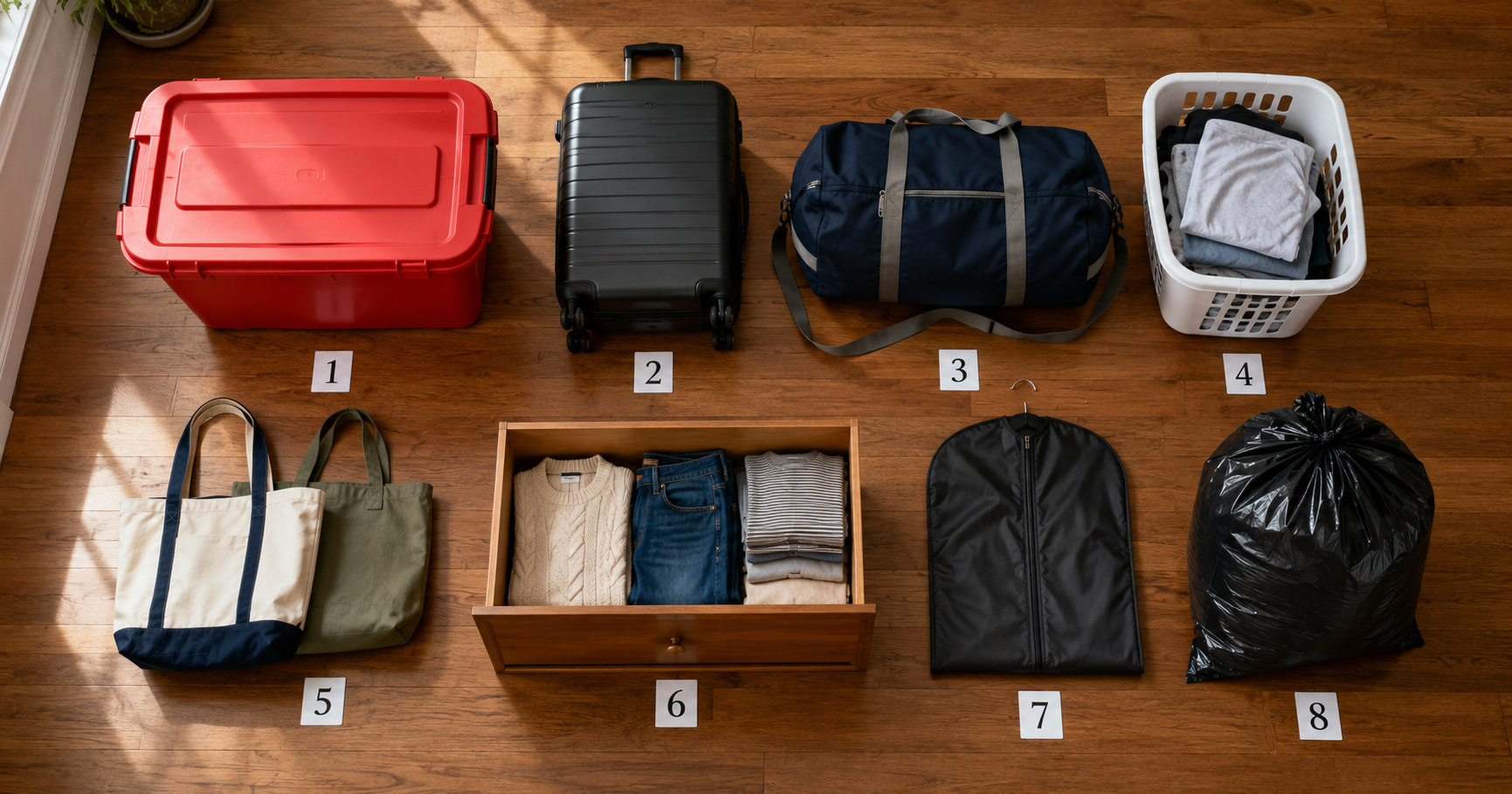
    The best moving box alternatives are: reusable plastic bin rentals (#1 for full moves), suitcases and rolling luggage, laundry baskets, duffel bags, garment bags, tote bags, furniture drawers, and original product boxes. Most people can cover 30–50% of their move with items they already own — and rent bins for the rest.

    8 Cardboard Box Alternatives, Ranked

    These aren’t all equal. Here’s what actually works for a real NYC apartment move.

    1

    Reusable Plastic Moving Bins (Rental)

    Best for Full Moves

    Rental bins are purpose-built for moving — stackable, handled, weatherproof, and delivered to your door. Unlike the other options on this list, they scale to any apartment size and don’t require sourcing or disposal.

    ✓ Handles every item type
    ✓ Delivered + picked up
    ✓ No packing tape needed
    ✓ Dolly included

    Cost: From $119/week for a studio pack. EazyCrate delivers anywhere in NYC + Hoboken/Jersey City.

    2

    Suitcases & Rolling Luggage

    Best for Clothes & Shoes

    Almost everyone moving has at least one suitcase. Rolling luggage is great for clothes, shoes, bedding, and towels. Heavy-duty spinner suitcases can handle up to 50 lbs.

    ✓ Already own it
    ✓ Easy to roll
    ✗ Limited capacity
    3

    Laundry Baskets & Hampers

    Best for Light Bulky Items

    Laundry baskets work well for pillows, stuffed animals, kitchen linens, and anything bulky but light. Woven hampers fold flat after the move. Don’t overload — the sides flex.

    ✓ Free (already own)
    ✓ Good for odd shapes
    ✗ Not sturdy for heavy items
    4

    Duffel Bags & Gym Bags

    Best for Clothes & Flexible Packing

    Duffel bags are flexible enough to fill awkward corners of a moving van and strong enough for heavy gear. Large duffels can hold what a medium box would. Canvas or nylon is best.

    ✓ Flexible shape
    ✓ Usually free
    ✗ No stacking
    5

    Wardrobe Boxes & Garment Bags

    Best for Hanging Clothes

    If you have a large wardrobe, a single wardrobe box or several garment bags can replace a dozen hangers’ worth of folding. You can buy wardrobe boxes at U-Haul or Home Depot, or reuse dry-cleaning bags for suits and dresses.

    ✓ Wrinkle-free transport
    ✓ Quick to pack
    ✗ One-time use if cardboard
    6

    Reusable Grocery & Tote Bags

    Best for Kitchen & Pantry Items

    Heavy-duty canvas totes or IKEA bags are surprisingly useful for books, pantry items, and kitchen supplies. Don’t use them for anything breakable — they offer no padding.

    ✓ Already own them
    ✓ Great for dry goods
    ✗ No fragile protection
    7

    Furniture Drawers (Left In Place)

    Best for Saving Box Count

    Leave lightweight items inside dresser and nightstand drawers when moving the furniture. Remove the drawers to lighten the piece, move the shell, then put them back in. Doesn’t work for flat-pack furniture.

    ✓ Zero cost
    ✓ Saves significant box count
    ✗ Only for light items
    8

    Original Product Boxes

    Best for Electronics & Appliances

    If you kept the box your TV, monitor, or appliance came in — use it. Original packaging is the safest transport for electronics. Electronics retailers sometimes give them away if you ask.

    ✓ Perfect fit
    ✓ Best protection for electronics
    ✗ Must save ahead of time

    How Each Alternative Compares

    Not all alternatives cover the same items or situations. Here’s how they stack up for a full NYC apartment move.

    Alternative Cost Best For Full-Move Coverage
    Rental bins From $119/wk Everything ✅ Full move
    Suitcases Free (own) Clothes, shoes ~10–20%
    Laundry baskets Free (own) Light bulky items ~5–10%
    Duffel bags Free (own) Clothes, gear ~10–15%
    Garment bags $5–$40 Hanging clothes ~5%
    Tote bags Free (own) Kitchen, pantry ~5%
    Furniture drawers Free Light drawer items ~10%
    Original boxes Free (saved) Electronics ~5%
    Overhead view of moving day with luggage, duffel bags, tote bags, and bins laid out — alternatives to cardboard boxes for NYC apartment moves

    The Smart Approach: Combine Alternatives + Rental Bins

    Most NYC movers can offset 40–60% of their box needs with items they already own. Here’s how to build a complete system for a 1-bedroom apartment.

    👔

    Clothes & Bedding

    Pack into suitcases, duffel bags, and laundry baskets. Use garment bags for suits and dresses. Stuff pillows into large bags or baskets.

    📱

    Electronics

    Use original boxes where you have them. Pack small electronics into padded bags or laptop cases. Wrap cords and keep chargers together.

    🍳

    Kitchen & Pantry

    Use tote bags for dry goods and non-breakables. Everything fragile — dishes, glasses, pots — goes in rental bins with towels or packing paper as padding.

    📦

    Everything Else

    Books, décor, bathroom items, and miscellaneous — this is where rental bins earn their keep. Stack them high and move efficiently with the included dolly.

    Bottom line for a 1-bedroom NYC apartment: Pack clothes, shoes, and bedding into bags and suitcases. Use 15–20 rental bins for kitchen, bathroom, books, and décor. You’ll move faster and spend less than buying cardboard boxes.

    Why Rental Bins Are the Best Full-Move Alternative

    Every option on this list helps at the margins. Rental bins are the only one that replaces cardboard entirely — and usually costs less than buying boxes new.

    🚚

    Delivered and Picked Up

    No sourcing, no disposal. EazyCrate drops bins at your door and picks them up after your move. You never visit a U-Haul or beg neighbors for boxes.

    💪

    Sturdy Enough for Heavy Items

    Unlike bags and laundry baskets, reusable bins hold up under weight. Stack them five high on a dolly and they won’t buckle. Books, pots, canned goods — no problem.

    ♻️

    Better for the Environment

    Cardboard boxes get used once and end up in the trash. Reusable plastic bins get used hundreds of times. One rental replaces dozens of cardboard boxes from your move.

    💰

    Often Cheaper Than Buying Boxes

    A studio pack (15 bins + dolly) starts at $119/week — less than buying 15–20 cardboard boxes new, and with none of the tape, filler, or disposal hassle.

    Get Reusable Bins Delivered in NYC

    Free delivery + free pickup. Dolly included. All 5 boroughs + Hoboken/Jersey City.

    Reserve Your Bins →

    Skip the Cardboard. Move Smarter.

    EazyCrate delivers reusable moving bins to your door across all 5 NYC boroughs. Dolly included. Pick up when you’re done.

    Frequently Asked Questions

    What is the best alternative to cardboard moving boxes?
    +
    Reusable plastic moving bin rentals are the best overall alternative — they handle everything cardboard boxes do, cost less than buying new boxes, and get delivered to your door. For clothes and bedding specifically, suitcases and duffel bags are a practical free option to use alongside bins.
    Can I move a whole apartment without cardboard boxes?
    +
    Yes. Most movers rent enough plastic bins to cover all kitchen, bathroom, book, and décor items — then pack clothes and bedding into suitcases, duffel bags, and laundry baskets. This combination fully replaces cardboard and is often faster and cheaper than buying boxes.
    How much do reusable moving bin rentals cost in NYC?
    +
    EazyCrate’s moving bin rentals start at $119/week for a studio pack (15 bins + 1 dolly), up to $149/week for a 3-bedroom pack (50 bins + 3 dollies). Delivery and pickup are free anywhere in NYC and to Hoboken and Jersey City. That’s usually cheaper than buying the equivalent number of cardboard boxes new.
    Are plastic moving bins better than cardboard boxes?
    +
    For most purposes, yes. Plastic bins don’t collapse under weight, don’t need tape, stack cleanly, and fit standard hand trucks and dollies. They’re also reusable, so they create less waste. The main downside is that you pay a rental fee rather than buying outright — but the total cost is usually lower than buying cardboard, and you skip the sourcing and disposal.
    What should I use instead of boxes for fragile items?
    +
    For fragile items, reusable plastic bins work well when padded with towels, clothing, or packing paper. The rigid walls protect better than cardboard, which can soften and collapse. For dishes, nest them vertically with padding between each. For glasses, wrap individually and pack upright. Avoid soft bags for anything breakable.

  • Best Dolly for Moving in NYC Apartments (2026 Guide)

    Best Dolly for Moving in NYC Apartments (2026 Guide)

    ← Back to NYC Moving Blog

    Moving Tips

    Best Dolly for Moving in NYC Apartments (2026 Guide)

    Choosing the right dolly makes a NYC move dramatically easier. Here’s what type works best for apartment buildings, tight hallways, and service elevators — and why EazyCrate includes one in every rental.

    Reserve Bins + Dolly Included →

    Person using a two-wheel hand truck dolly loaded with red plastic moving bins in a NYC apartment building service corridor
    Quick Answer

    For most NYC apartment moves, a two-wheel hand truck is the best dolly. It navigates narrow hallways, fits in service elevators, and handles stacked bins easily. Platform dollies work well for heavy furniture on flat surfaces. Stair-climbing dollies are ideal for walk-ups with no elevator. EazyCrate includes a dolly with every bin rental — so you don’t need to buy or rent one separately.

    The 3 Main Types of Moving Dollies

    Not all dollies are created equal. Understanding the differences helps you pick the right tool for your move.

    🛒

    Hand Truck (Two-Wheel)

    The L-shaped workhorse. You tilt it back on two wheels and roll. Stack boxes or bins vertically, then lean and go. Perfect for tight spaces.

    Best for NYC apartments
    📦

    Platform Dolly (Four-Wheel)

    A flat rolling platform you push or pull. Great for furniture, appliances, and heavy awkward items on flat floors. Harder to maneuver in narrow halls.

    Best for furniture
    🪜

    Stair-Climbing Dolly

    Has tri-star wheels or a track system designed to roll up and down stairs. Heavier and more expensive. Only worthwhile if your building has no elevator.

    Best for walk-ups
    Type Best For NYC Hallways Stair Use Avg. Cost to Buy
    Hand Truck Boxes, bins, stacked loads ✅ Excellent ⚠️ Possible $40–$120
    Platform Dolly Furniture, appliances ⚠️ Tight fit ❌ No $30–$80
    Stair Climber Walk-ups without elevator ✅ Good ✅ Yes $150–$400

    Which Dolly Works Best for NYC Apartment Moves?

    NYC moves come with unique constraints that change what “best” means.

    📐

    Narrow Hallways

    Most NYC apartment hallways are 36–42 inches wide. A hand truck fits easily; a platform dolly loaded with furniture often doesn’t.

    🛫

    Service Elevators

    Service elevators are wider than passenger elevators but have strict weight limits and time windows. A hand truck stacked with bins is the most efficient use of each trip.

    🚪

    Doorways & Tight Turns

    Standard NYC apartment doors are 32 inches wide. A hand truck passes through easily. A wide platform dolly with furniture often requires disassembly.

    🏢

    Walk-Up Buildings

    No elevator? A stair-climbing dolly is worth renting for heavy loads. For lighter boxes and bins, a standard hand truck works on stairs with a second person.

    Platform dolly and hand truck moving equipment comparison for NYC apartment moves
    Bottom line for NYC apartments: A two-wheel hand truck is the right call for 90% of apartment moves. It fits everywhere, handles bins and boxes perfectly, and is easy to maneuver solo. If you have large furniture to move, add a platform dolly or hire a moving company for that piece specifically.

    What to Look for in a Moving Dolly

    If you’re buying or renting a dolly for your move, here’s what matters:

    Feature Why It Matters What to Look For
    Weight Capacity Bins + contents can weigh 60–80 lbs each 300 lbs minimum for a hand truck
    Wheel Size Larger wheels roll smoother over thresholds and tile gaps 8–10 inch wheels for apartment buildings
    Toe Plate Width Determines how many bins you can stack securely 14–18 inches wide
    Frame Material Steel is stronger; aluminum is lighter Steel for heavy loads, aluminum for frequent stair use
    Strap Support Keeps bins from sliding during transport Look for included strap or built-in hooks
    Handle Height Comfortable pushing posture reduces fatigue Adjustable or 48–52 inches tall
    💡 Pro tip: For a NYC apartment move with reusable bins, you don’t need a premium dolly. A basic steel hand truck with a 300-lb capacity handles 4–5 stacked bins easily — and costs under $60 at any hardware store.

    Buy, Rent, or Have One Included?

    Most people only move every few years. Buying a dolly you’ll use once isn’t always the smart call.

    Option Cost Hassle After the Move Best For
    Buy a Hand Truck $40–$120 Low You keep it (store or sell) Frequent movers
    Rent from Home Depot $20–$40/day Medium Must return same day One-day moves only
    Moving Company Included in labor cost High cost Goes with movers Full-service moves
    EazyCrate Rental Included free None Picked up with bins DIY NYC moves

    EazyCrate Includes a Dolly — At No Extra Cost

    Every bin rental comes with a hand truck delivered right to your door. Studio pack includes 1 dolly. 2-bedroom pack includes 2. Picked up when you’re done.

    See Packages →

    NYC Dolly Tips That Actually Help

    Moving in New York has quirks no one warns you about. Here’s what to know before moving day.

    1

    Book the Service Elevator in Advance

    Most NYC buildings require you to reserve the freight elevator for moving. Do this 1–2 weeks ahead. The window is usually 2–4 hours — a hand truck loaded with 4–5 bins per trip maximizes your time.

    2

    Protect Floors with the Dolly Wheels

    Many NYC buildings have hardwood lobby floors. Rubber-wheeled dollies (standard on most hand trucks) are fine. If your building requires it, bring a strip of cardboard to roll over as a runner.

    3

    Tip the Dolly, Don’t Drag It

    When navigating a threshold or small lip between rooms, tilt the dolly back on its wheels and glide over rather than jerking forward. This protects both the floor and your load.

    4

    Use a Bungee Cord for Stacked Bins

    Plastic bins can slide. A simple bungee cord around 3–4 stacked bins keeps the load secure while rolling. EazyCrate bins stack flat and interlock — still, a strap gives peace of mind on longer hallway stretches.

    5

    Walk-Ups: Go Light Per Trip

    On stairs, fewer bins per trip means fewer back injuries. 2–3 bins at a time is manageable for most people. Two people is safer: one pushing from behind, one guiding from above.

    Skip the Dolly Shopping — It’s Already Included

    Every EazyCrate package comes with a hand truck delivered to your door. Bins, dolly, delivery, pickup — all covered. No extra charges, no returns to worry about.

    Frequently Asked Questions

    Common dolly questions for NYC moves.

    What’s the best dolly for a NYC apartment move?
    +
    A two-wheel hand truck is the best dolly for most NYC apartment moves. It fits through standard doorways (32 inches) and hallways, handles stacked bins easily, and maneuvers well in service elevators. For heavy furniture on flat surfaces, add a platform dolly. For walk-ups with no elevator, consider a stair-climbing dolly.
    Does EazyCrate include a dolly with the bin rental?
    +
    Yes — every EazyCrate rental package includes a hand truck at no extra charge. Studio and 1-bedroom packages include 1 dolly. 2-bedroom packages include 2. 3-bedroom packages include 3. The dolly is delivered with your bins and picked up when you’re done, so there’s nothing extra to return or store.
    How many bins can a standard dolly hold?
    +
    A standard hand truck with a 300-lb weight capacity can hold 4–5 EazyCrate bins stacked vertically, depending on how heavily they’re packed. EazyCrate’s bins hold up to 60 lbs each, so stay mindful of the total weight per trip. 3–4 well-packed bins per trip is a comfortable and safe load for most people.
    Can I use a dolly in a NYC building’s service elevator?
    +
    Yes, but you need to book it in advance. Most NYC apartment buildings require residents to reserve the freight elevator for moving, typically at least one week ahead. The window is usually 2–4 hours, so using a hand truck to maximize bins per trip is essential. Check with your building’s super about the reservation process and any floor protection requirements.
    Where can I rent a dolly for moving in NYC?
    +
    You can rent a dolly from Home Depot ($20–$40/day), Lowe’s, or U-Haul. However, same-day availability isn’t guaranteed and returns can be inconvenient on a busy moving day. The simplest option: rent moving bins from EazyCrate, which includes a dolly delivered to your door — no separate trip or return required.

  • How Much Do Moving Boxes Cost? (NYC Price Breakdown for 2026)

    How Much Do Moving Boxes Cost? (NYC Price Breakdown for 2026)

    ← Back to NYC Moving Blog

    Costs & Budgeting

    How Much Do Moving Boxes Cost? (NYC Price Breakdown for 2026)

    Buying cardboard boxes for a move adds up faster than most people expect. Whether you’re moving a studio or a 3-bedroom apartment in NYC, here’s exactly what you’ll pay — and whether renting reusable bins might be the smarter call.

    Person shopping for moving boxes at a NYC hardware store — comparing box sizes and prices for apartment move
    Quick Answer

    How much do moving boxes cost? New cardboard boxes cost $1.50–$5.00 each depending on size. A studio apartment needs 20–30 boxes ($40–$120 total). A 2-bedroom needs 40–60 boxes ($80–$240). Add $10–$50 for tape, markers, and packing paper. Renting reusable bins is a flat weekly rate — no per-box cost, delivered to your door.

    Moving Box Prices by Type

    Prices reflect typical NYC retail and online sources in 2026.

    Box Type Average Cost Each Best For
    Small (1.5 cu ft) $1.50–$2.50 Books, kitchen items, heavy objects
    Medium (3.0 cu ft) $2.50–$4.00 Clothing, pots, miscellaneous
    Large (4.5 cu ft) $3.50–$5.00 Pillows, bedding, bulky items
    Wardrobe box $10–$15 Hanging clothes
    Mirror / picture box $8–$12 Framed art, mirrors
    Dish pack $6–$10 Fragile dishes and glassware
    Buying in bundles of 10–20 boxes usually drops the per-box price by 15–25% vs. singles.

    Total Moving Box Cost by Home Size

    Box count only — add $10–$50 for tape, markers, and packing materials.

    Home Size Boxes Needed Estimated Box Cost
    Studio 20–30 boxes $40–$120
    1 Bedroom 30–40 boxes $60–$160
    2 Bedrooms 40–60 boxes $80–$240
    3 Bedrooms 60–80 boxes $120–$320

    Moving supplies cost breakdown infographic by NYC apartment size — studio $70–$130, 1BR $100–$180, 2BR $130–$250, 3BR $180–$360

    Where to Buy Moving Boxes in NYC

    All of these options are available in NYC — pick based on how much time you have.

    🏠

    Home Depot / Lowe’s

    Wide selection at fair prices. Bundles available. Delivery to NYC addresses. Good for most sizes.

    🚙

    U-Haul

    Sells bundles by home size. Convenient if you’re also renting a truck. Returns allowed on unused boxes.

    📦

    Amazon

    Competitive per-box pricing. Good if you’re planning 1–2 weeks ahead and want delivery. Prime members get fast shipping.

    📄

    Staples / Office Depot

    Great for small and medium boxes. Many NYC locations offer same-day or next-day delivery.

    Ways to Reduce Moving Box Costs

    1

    Get free boxes first

    Liquor stores, Buy Nothing Facebook groups, Nextdoor, and Craigslist often have free boxes from recent movers. Takes 3–7 days to source. See our free boxes guide →

    2

    Buy bundles, not singles

    Per-box price drops 15–25% when buying a pack of 10–20 vs. individual boxes. Always go bundle if you need more than 5 of the same size.

    3

    Return unused boxes

    Home Depot and U-Haul allow returns on unused boxes with receipt. Buy a few extra without risk of wasting money.

    4

    Rent bins instead

    Reusable plastic bins from EazyCrate ship at a flat weekly rate — no per-box cost, no tape needed, pickup included when you’re done. Often cheaper than buying boxes for a full apartment move.

    Renting Bins vs. Buying Cardboard Boxes: Full Cost Comparison

    Most people only think about the box price — here’s the full picture.

    Cost Factor Cardboard Boxes EazyCrate Reusable Bins
    Boxes / bins $40–$240 Flat weekly rate
    Tape $5–$15 $0 — snap-close lids
    Markers $3–$5 $0 — label slots built in
    Assembly time 30–60 min $0 — ready to use
    Disposal after move 1–2 hours $0 — we pick up
    Total (studio) $60–$130 See pricing →
    Total (2BR) $120–$280 See pricing →

    When you factor in time cost — sourcing, assembling, disposing — renting bins often comes out ahead for full apartment moves.

    The Bottom Line

    Plan to spend $60–$300 on cardboard boxes for a NYC apartment move, plus tape and supplies. If you’re moving a full 1-bedroom or larger and want to skip the disposal headache, a flat-rate bin rental usually comes out ahead on both time and cost.

    Frequently Asked Questions

    How much does it cost to buy moving boxes for a NYC apartment?

    +

    For a studio apartment in NYC, expect to spend $40–$120 on boxes alone, plus $10–$30 on tape and packing materials. A 1-bedroom runs $60–$160, and a 2-bedroom $80–$240. These are retail new-box prices; free or used boxes can bring those numbers to zero if you have time to source them.

    How many moving boxes do I need?

    +

    A general rule for NYC apartments: studio = 20–30 boxes, 1-bedroom = 30–40 boxes, 2-bedroom = 40–60 boxes, 3-bedroom = 60–80 boxes. Households with lots of books, kitchen items, or clothing may need 10–20% more. Use our free moving box calculator to get a more precise estimate based on your actual rooms and contents.

    Where is the cheapest place to buy moving boxes in NYC?

    +

    Amazon typically has the best per-box price if you order 1–2 weeks ahead. Home Depot and U-Haul are the best in-person options for bundles. For the cheapest option overall, free boxes from liquor stores, Buy Nothing Facebook groups, or Nextdoor cost nothing — but require advance planning and pickup. See our free boxes guide for specifics.

    Is it cheaper to rent bins or buy cardboard boxes for an NYC move?

    +

    For small moves (studio, few items), buying or sourcing free boxes is usually cheaper. For a full 1-bedroom or larger NYC apartment move, renting reusable bins often comes out similar in price once you add tape, packing paper, and the time cost of assembling and disposing of 40+ boxes. Bin rental also includes delivery and pickup, which has value when you’re already managing a move.

    What are the hidden costs of buying moving boxes?

    +

    Beyond the box price, the most common hidden costs are: tape ($5–$15 per move), packing paper or bubble wrap ($10–$30), markers ($3–$5), and the time to assemble boxes and dispose of them after moving. In a small NYC apartment, breaking down and removing 40+ boxes can take 1–2 hours. Reusable bin rental eliminates all of these extras.

  • Free Moving Boxes in NYC: Where to Find Them (And What to Know)

    Free Moving Boxes in NYC: Where to Find Them (And What to Know)

    ← Back to NYC Moving Blog

    Costs & Budgeting

    Free Moving Boxes in NYC: Where to Find Them (And What to Know)

    Moving on a tight budget? You’re not alone. The good news: free moving boxes do exist in New York City. The catch: they require some advance planning, and they don’t always work out for a full apartment move.

    Here’s where to look — and when renting bins might actually save you more.

    Person looking for free moving boxes in NYC from local stores and buy nothing groups — budget tips for NYC movers
    Quick Answer

    Where can you find free moving boxes in NYC? Buy Nothing Facebook groups, Nextdoor, local liquor stores, bookstores, grocery stores, Craigslist, office buildings, and the U-Haul Box Exchange are your best options. Plan 3–7 days ahead. If you’re short on time, renting reusable plastic bins may be faster and equally affordable.

    Where to Get Free Moving Boxes in NYC

    Eight reliable sources — ranked by ease and reliability for NYC movers.

    1

    Buy Nothing Groups (Facebook)

    Neighborhood-based Facebook groups where people give away boxes after their own moves. Search “Buy Nothing [your neighborhood]” — one of the best sources in Brooklyn, Queens, and Manhattan.

    2

    Nextdoor

    Post “ISO: Moving boxes” in your local Nextdoor community. Neighbors who just moved are usually eager to pass them along.

    3

    Liquor Stores

    Thick, sturdy, and sized for heavy items. Many NYC liquor stores keep a stack in the back — just ask. Most are happy to give them away.

    4

    Bookstores

    Bookstores receive constant shipments and carry strong, medium-sized boxes. Independent bookstores are more likely to give them out than chains.

    5

    Local Grocery Stores

    Ask the produce or stockroom manager. Banana boxes in particular are mover favorites — reinforced, medium-sized, and free.

    6

    Craigslist & Facebook Marketplace

    Search “free moving boxes” — people regularly post full sets from recent moves. Act fast; they go quickly in NYC.

    7

    Office Buildings

    Companies receive large amounts of shipping and printer paper boxes. Ask the front desk or building management — best if you have an inside contact.

    8

    U-Haul Box Exchange

    U-Haul’s box exchange program lets people list leftover boxes for free or cheap. Check the U-Haul site under “Box Exchange” — availability varies.

    The Reality of Free Moving Boxes in NYC

    Free boxes sound great in theory. In practice, here’s what most NYC movers run into.

    Condition is unpredictable

    Boxes that have been used once are often damp, taped over, or bent at the corners. Weak boxes fail mid-carry — not fun on a stairwell.

    Sizes don’t match

    A mix of random box sizes is harder to stack in a moving truck and takes more trips to transport.

    It takes real time to collect

    Between posting, waiting for responses, and making pickups, sourcing free boxes can take a week or more of advance work.

    Disposal is your problem

    After unpacking 40+ boxes in a small NYC apartment, you still need to break them down and get them out — a real hassle in buildings without accessible recycling.

    Stack of used cardboard moving boxes versus clean EazyCrate reusable plastic bins — NYC moving box comparison for budget movers

    Free Boxes vs. Rental Bins: When Does Each Make Sense?

    ✓ Free boxes are a good fit if…

    • You’re moving a small number of items
    • You have 5–7 days to collect boxes in advance
    • You have help transporting and disposing of them
    • It’s a short local move where box integrity isn’t critical

    ✓ Rental bins make more sense if…

    • You’re moving a full apartment and need uniform sizes
    • You want bins delivered to your door — no sourcing required
    • You don’t want to deal with post-move cardboard disposal
    • Your move timeline is tight

    For most full NYC apartment moves, the total time cost of sourcing free boxes — plus disposal afterward — often exceeds the cost difference between free and renting bins.

    Quick Comparison

    Option Cost Time to Source Disposal After Move Reliability
    Buy Nothing / Nextdoor Free 3–7 days Your problem Variable
    Liquor / grocery stores Free 1–2 days Your problem Good
    Craigslist / Marketplace Free 2–5 days Your problem Variable
    EazyCrate rental bins Flat weekly rate 0 — delivered Picked up after move Excellent

    The Bottom Line

    Free boxes work — if you have time to source them and a plan for afterward. For most NYC moves where time is tight and you’d rather skip the cardboard chaos, renting reusable bins is a cleaner option that’s often similarly priced when you factor in your time.

    Frequently Asked Questions

    Where can I find free moving boxes in NYC?

    +

    The best places to find free moving boxes in NYC are Buy Nothing Facebook groups, Nextdoor, local liquor stores, independent bookstores, grocery store stockrooms, Craigslist, office buildings, and the U-Haul Box Exchange. Buy Nothing groups and liquor stores tend to be the most reliable. Plan at least 3–5 days ahead to collect enough for a full apartment move.

    Are free moving boxes really free — any hidden costs?

    +

    The boxes themselves are free, but the hidden costs add up: your time (3–7 days of hunting), transportation to collect them, tape and packing supplies you’ll still need to buy, and post-move disposal of 40+ boxes. For small moves, the math usually works. For full apartment moves, the total cost of “free” is often higher than it first appears.

    How long does it take to collect free moving boxes for a NYC apartment?

    +

    For a studio or 1-bedroom you’ll need 20–40 boxes, which typically takes 3–7 days to collect from multiple sources. For a 2+ bedroom, plan 5–10 days. The fastest combination is usually Buy Nothing groups + Nextdoor + a liquor store run — hitting all three in parallel speeds things up considerably.

    What types of free boxes are best for moving in NYC?

    +

    Liquor store boxes are the gold standard for free moving boxes — thick, double-walled, and sized well for heavy items like books and kitchen goods. Banana boxes from grocery stores are also widely recommended. Avoid printer paper boxes (too heavy when full) and cereal boxes (too flimsy). Always check for moisture damage and test the bottom seam before packing anything valuable.

    Is it cheaper to get free boxes or rent plastic moving bins in NYC?

    +

    For small moves, free boxes usually win on price. For full apartment moves, the gap is smaller than most people expect. Renting reusable bins includes delivery and pickup — no tape, no sourcing, no post-move disposal. When you account for tape, packing paper, and the time cost of box hunting, the actual price difference for a typical NYC apartment move often shrinks to $30–50 or less.